Giving an oral talk at ISMB 2026.
TFScope: Learning the DNA-binding specificity of transcription factors from protein sequence will be presented in the RegSys Track.
I am a Research Fellow at Massachusetts General Hospital and Harvard Medical School, working in Prof. Luca Pinello's group. My work sits at the intersection of artificial intelligence, therapeutic discovery, and computational biology.
I received my PhD in Computer Science from City University of Hong Kong, advised by Prof. Ka-Chun Wong. I was previously a visiting scholar with Prof. Manolis Kellis at MIT and Prof. Marinka Zitnik at Harvard.
My long-term goal is to develop AI systems that make biology more computable, predictable, and actionable. I am particularly interested in generative and foundation models for molecular design and cellular systems, as well as emerging agentic approaches for scientific discovery.
TFScope: Learning the DNA-binding specificity of transcription factors from protein sequence will be presented in the RegSys Track.
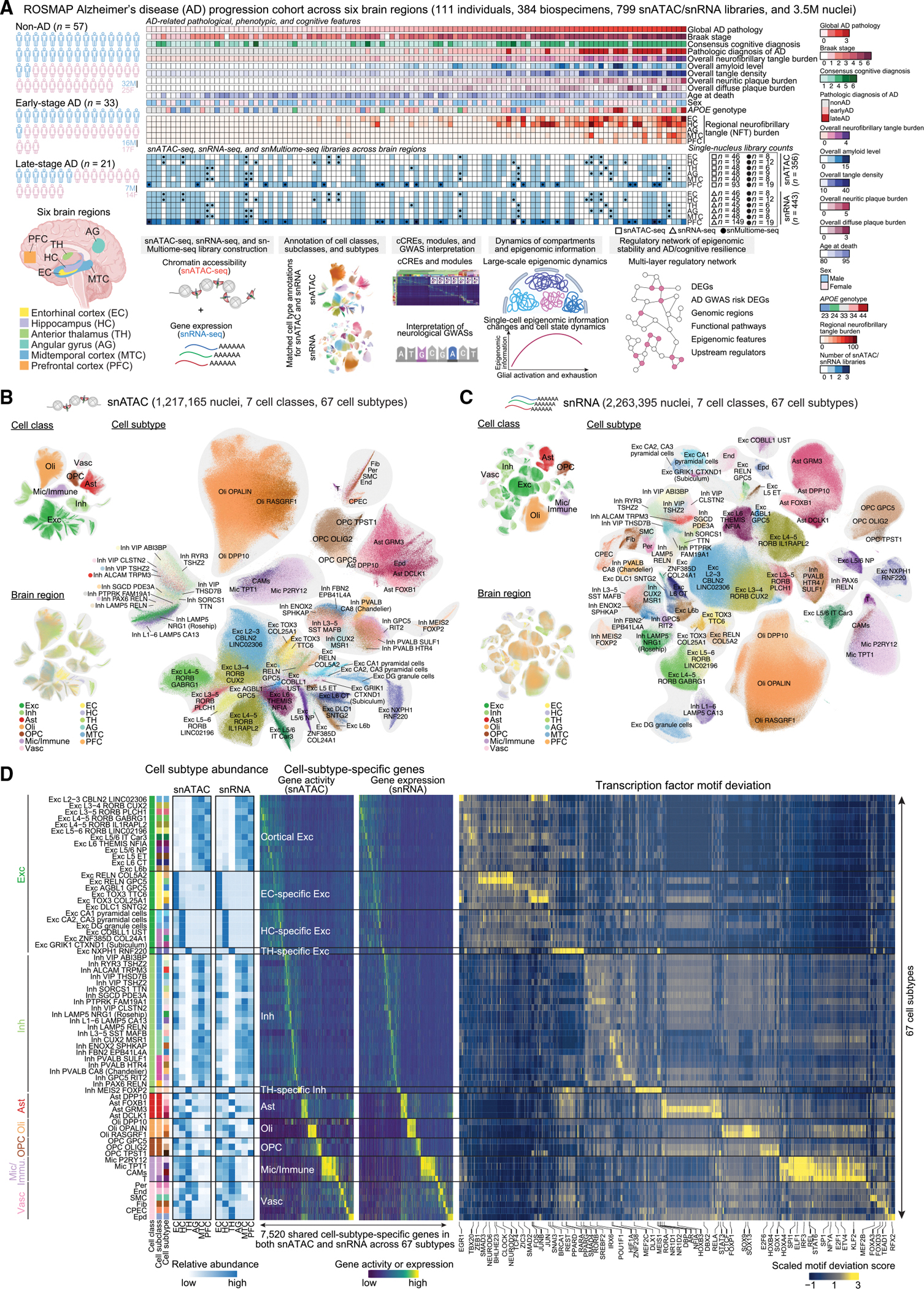
Single-cell multiregion epigenomic rewiring in Alzheimer's disease progression and cognitive resilience. Paper
Joined Prof. Luca Pinello's group to work on generative models for proteins, DNA, and biological element design.
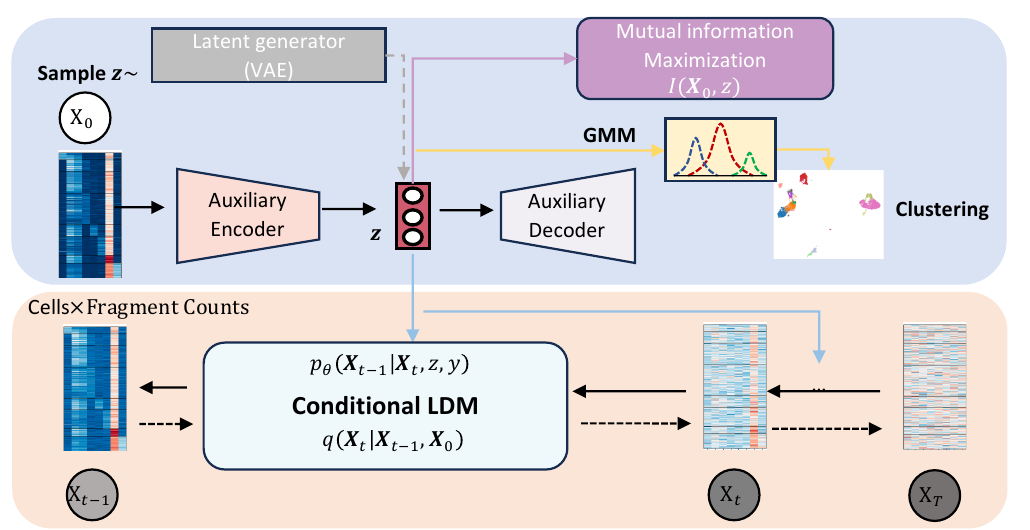
A versatile informative diffusion model for single-cell ATAC-seq data generation and analysis. Paper
Collaborative work on disease progression, cognitive resilience, and single-cell epigenomic regulation.
A generative framework for chromatin accessibility data, developed during my visiting scholar work with the Kellis Lab.
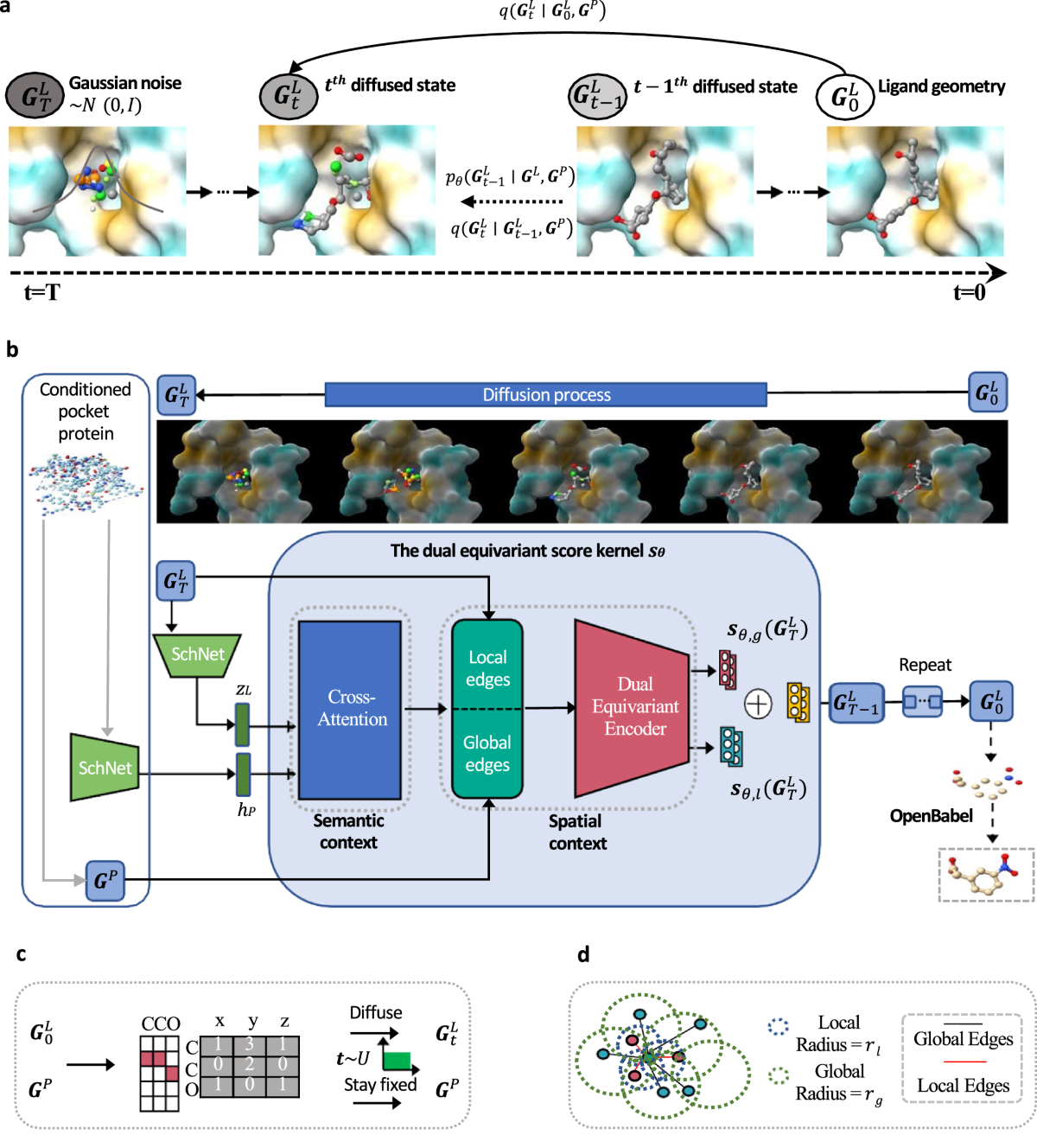
Target-pocket-conditioned molecular generation for structure-aware lead optimization.